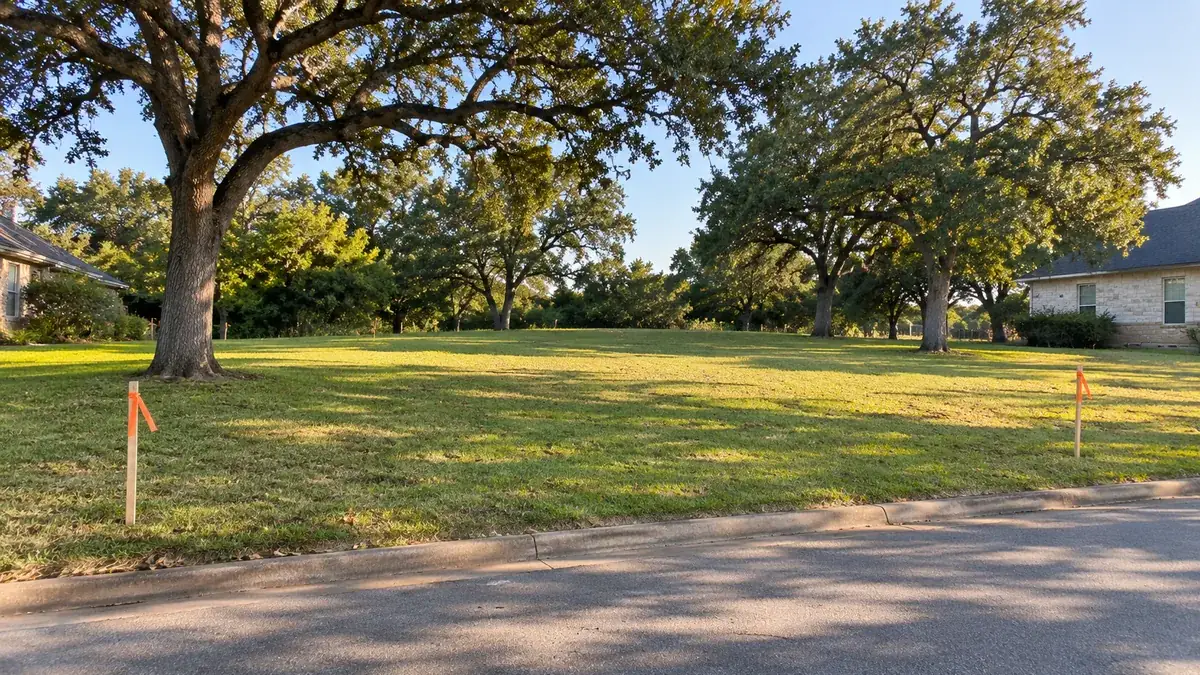
Construction lenders usually require the borrower to have equity in the project. That's often stated as a maximum loan-to-cost, meaning the loan covers part of the total project cost and you cover the rest. For investors buying land and building at the same time, that equity is cash. But if you already own the lot, its value can often count toward what you need to bring.
This guide explains how land equity generally works in a construction loan, how lenders decide what your land is worth, and what you'll still need to cover.
When you take out a construction loan, the lender takes a first lien on the land and everything built on it. Since the land is part of the collateral, its value is part of the total project cost. If you own the land free and clear, the value the lender recognizes counts as money you've already put in.
Here's a hypothetical project. The numbers, including the loan-to-cost limit, are for illustration only. Actual limits vary by lender, borrower, and project.
| Land value recognized by the lender | $150,000 |
| Hard and soft construction costs | $450,000 |
| Total project cost | $600,000 |
| Loan at a hypothetical 80% loan-to-cost | $480,000 |
| Required equity | $120,000 |
| Covered by land equity | $150,000 |
In this example, the land equity more than covers the required equity, so the borrower may not need extra cash toward the down payment. The loan will also be limited by the projected value of the finished property, so the lower of the two limits applies. Closing costs and reserves are still due.
This is where land equity gets nuanced. The value a lender recognizes isn't always what you think the land is worth today.
How long counts as "longer" and which approach applies varies by lender. Ask before you apply, and bring your purchase documents and any improvement receipts.
The construction lender will want first position, so an existing land loan is typically paid off at closing out of the construction loan. Only your equity above that balance counts.
| Land value recognized | $150,000 |
| Existing land loan paid off at closing | −$60,000 |
| Land equity that counts | $90,000 |
If that's less than the required equity, you'll cover the difference in cash. These are hypothetical numbers.
Land equity can cover the down payment, but it doesn't pay bills. Plan for:
If you own your lot, its value can often count toward the equity a construction lender requires, sometimes covering the entire down payment. How much counts depends on how the lender values the land and whether there's an existing loan to pay off. Clear title, permit progress, and utility access all help. Even with strong land equity, keep cash on hand for closing costs, soft costs, and reserves.
Get Funded
Construction financing structured around your draw schedule — line up the build before you close.
Check Your EligibilityFunding in as little as 7 days · No impact to your credit score
Often, yes. Many construction lenders count the value of land you own toward the equity they require, because the land becomes part of the collateral. How much counts depends on how the lender values the land.
It depends on the lender and how long you've owned it. Land bought recently is often valued at its purchase cost. Land held longer may be valued at its appraised value. Policies vary, so ask early.
The construction loan usually pays off the existing land loan at closing so the construction lender can hold first position. Only your equity above that payoff counts toward the down payment.
Usually some. Even when land equity covers the required down payment, you may still need cash for closing costs, soft costs not covered by the loan, and reserves.