Ground-Up Construction
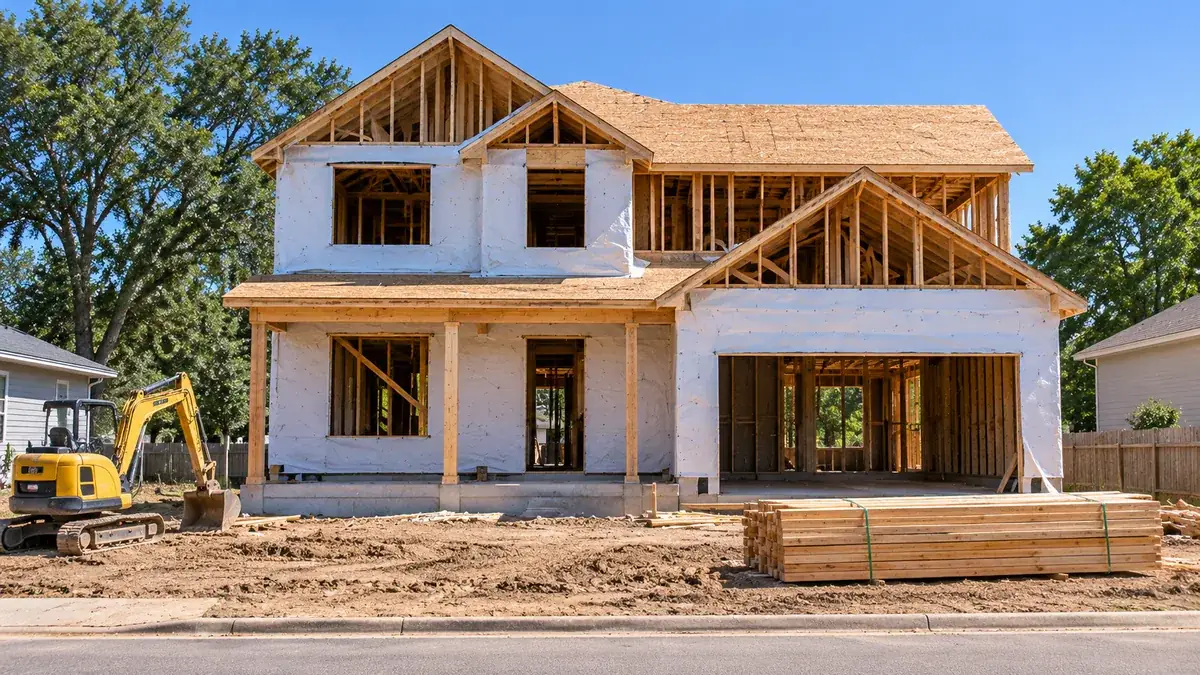
Interest Reserves and Contingency: Budgeting a Construction Loan So It Doesn't Run Dry
Most construction budgets focus on the visible costs: foundation, framing, roofing, finishes. But two less visible lines often decide whether a project finishes smoothly or runs out of money near the end: the interest reserve and the contingency.
One covers the cost of the money while you build. The other covers what you didn't plan for. This guide explains how each one generally works and how to size them so your budget lasts through completion.
A construction project doesn't produce income until it's finished and sold or rented. An interest reserve is a portion of the loan set aside to pay interest during construction, so you don't have to pay it out of pocket every month. Each month's interest is paid from the reserve until the project is done or the reserve runs out.
Not every construction loan includes one, and terms vary by lender. When it's offered, the reserve is part of the loan amount and part of your total project cost.
On most construction loans, you pay interest only on the money that has been drawn, not the full loan amount. So interest is low in the early months, when little has been drawn, and grows as the project moves forward. See construction loan draws explained.
The reserve is estimated from three inputs:
Here's a hypothetical, simplified picture of how monthly interest grows during a build. The figures are for illustration only and aren't based on any actual rate.
| Month 2: land and site work drawn | Low interest |
| Month 5: foundation and framing drawn | Moderate interest |
| Month 8: systems and drywall drawn | Higher interest |
| Month 11: nearly full loan drawn, listing or leasing | Highest interest |
| Reserve must cover | Every month through exit |
The most expensive months come at the end, while you're finishing, selling, or refinancing. That's exactly when a delay hurts the most.
If the project runs long, the reserve can be used up before you're done. From that point, interest typically comes out of your own funds. Delays from permits, weather, inspections, or a slow sale are the most common cause. Build the reserve around a realistic schedule, not the best-case one. See a realistic construction timeline.
A contingency is a budget line set aside for costs nobody planned. On a ground-up project, that might include:
Some budgets carry separate contingencies for hard costs and soft costs. How much to carry depends on the project's complexity, how complete the plans are, and how firm your contractor's pricing is. Your lender and GC will have a view, and some lenders set a minimum.
Contingency funds are usually held back like any other line item. Drawing on them generally requires a request explaining what the money is for, supporting documentation, and lender approval. That control protects both of you: it keeps contingency available for real surprises instead of upgrades.
If contingency is left over at the end, how it's treated depends on the lender. Often it simply isn't drawn, which lowers your loan balance.
| Interest reserve | Contingency | |
|---|---|---|
| Covers | Interest during construction | Unplanned project costs |
| Sized by | Draw schedule, rate, and timeline | Project complexity and risk |
| Used up by | Delays | Surprises and changes |
| Released | Automatically each month, in most structures | By request and lender approval |
An interest reserve pays your construction interest so you don't have to, and a contingency pays for what you didn't see coming. Delays use up the first and surprises use up the second. Size both around a realistic plan, keep cash outside the loan, and track the budget at every draw.
Get Funded
Construction financing structured around your draw schedule — line up the build before you close.
Check Your EligibilityFunding in as little as 7 days · No impact to your credit score
An interest reserve is part of the loan set aside to pay interest during construction. Instead of paying interest out of pocket each month, the payments are drawn from the reserve until it runs out or the project is completed.
It is estimated from the expected draw schedule, the loan's interest rate, and the construction timeline. Because you typically pay interest only on funds drawn, interest is low early and grows as more of the loan is drawn.
A contingency is a budget line for costs that weren't planned, such as unforeseen site conditions, price changes, or required changes during inspections. Lenders usually require approval before contingency funds are drawn.
You will typically need to pay interest from your own funds. Delays are the most common reason a reserve runs short, so build a realistic schedule and keep cash reserves.