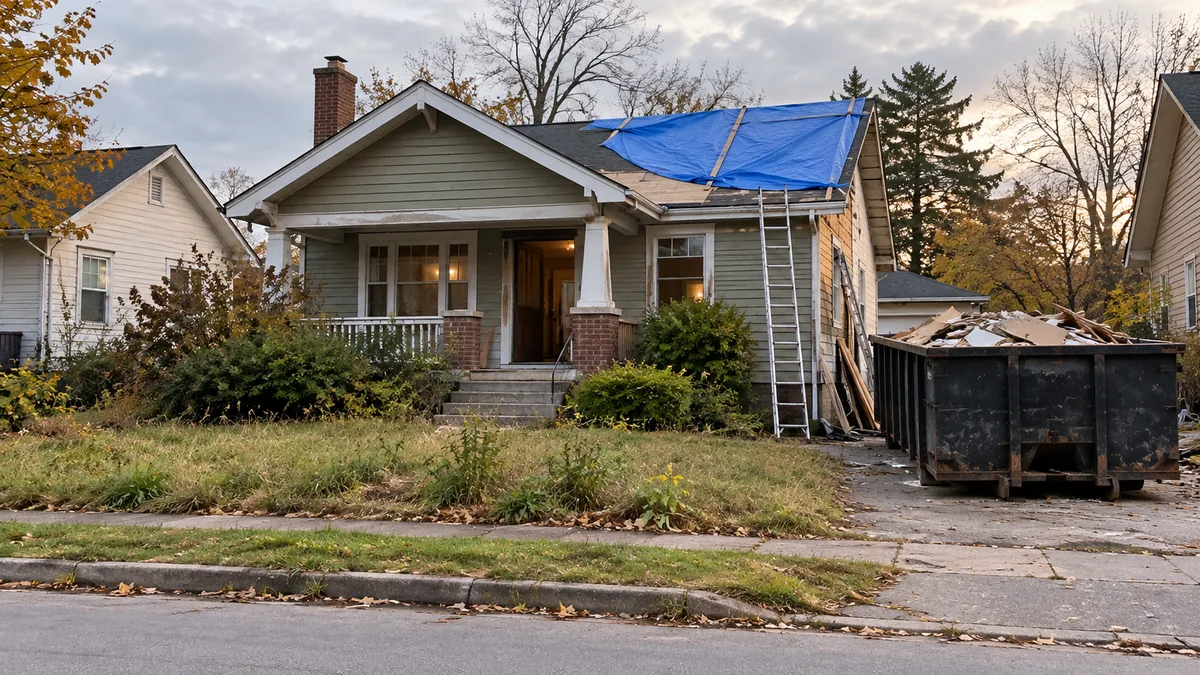
When a fix and flip loan closes, the purchase portion goes to the seller right away. The rehab portion usually doesn't. It's held back and released in stages, called draws, as the work gets done. Understanding how draws work is the difference between a project that keeps moving and one where crews stop while you wait for money.
This guide covers flip and renovation draws. Ground-up construction draws follow a similar idea with a different structure. See construction loan draw schedules.
Before closing, the lender reviews your scope of work and budget, and together they become the draw schedule. It breaks the rehab into line items or phases, each with a dollar amount. A simple version for a hypothetical $60,000 rehab might look like this:
| Draw | Work completed | Amount |
|---|---|---|
| 1 | Demolition, roof, and rough framing | $15,000 |
| 2 | Electrical, plumbing, and HVAC rough-in | $15,000 |
| 3 | Drywall, windows, and exterior | $12,000 |
| 4 | Kitchen, baths, flooring, and paint | $13,000 |
| 5 | Final finishes and punch list | $5,000 |
A detailed, realistic budget makes draws smoother. See fix and flip renovation budgeting for how to build one.
Because draws reimburse completed work, you need cash to get through the first phase. See how much cash you need for a fix and flip.
Programs handle interest on the undrawn rehab money in one of two ways, and it's worth asking which one you're getting:
On a long rehab, the difference can add up. It belongs in your holding cost estimate.
Fix and flip rehab money is released in draws after work is completed and verified. Build a detailed scope, keep photos and paperwork current, ask how interest is charged on undrawn funds, and keep enough cash to carry the project between draws.
Get Funded
Fast hard-money and bridge financing built for flips — competitive terms so you can close and start the rehab.
Check Your EligibilityFunding in as little as 7 days · No impact to your credit score
The rehab portion of the loan is held back at closing and released in stages as work is completed. You submit a draw request with documentation, an inspection confirms the work, and the funds are released.
Usually yes. Draws typically reimburse completed work, so you or your contractor need cash to pay for the first phase before the first draw is released.
It depends on the program. Some charge interest only on funds that have been released, while others charge interest on the full loan amount, including undrawn rehab funds.
It varies by lender and inspection method. Photo or app-based inspections can be faster than in-person visits. Ask about typical turnaround before you start work.