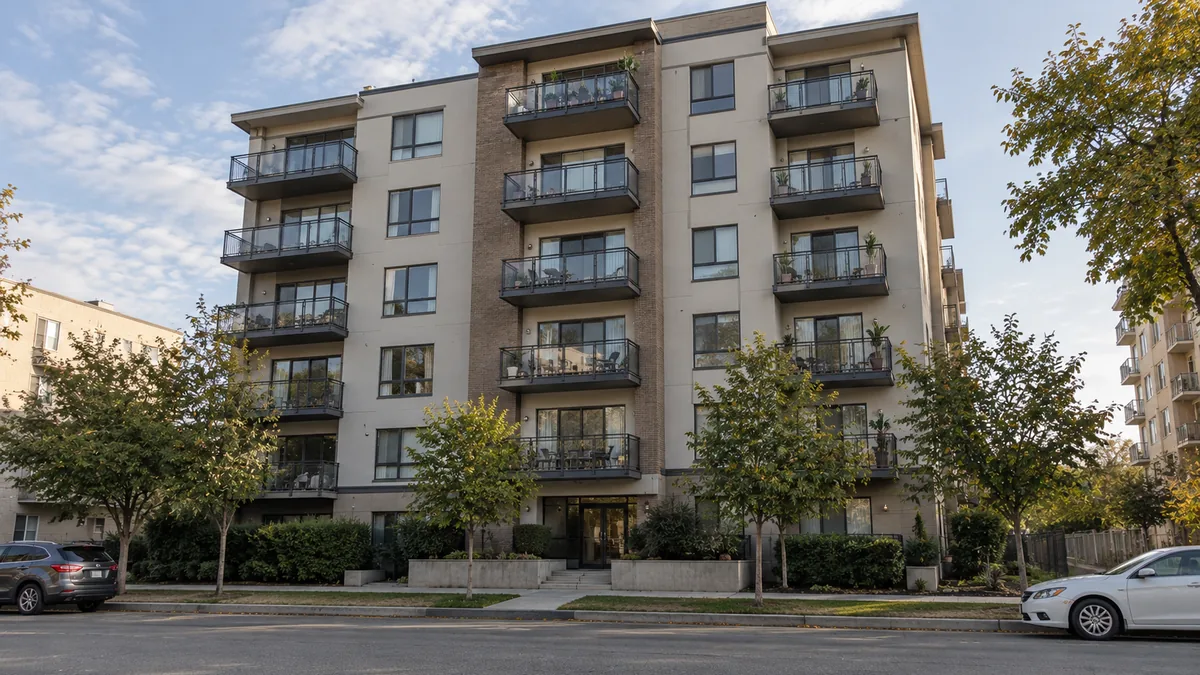
A condo can be an excellent rental: lower purchase price, less exterior maintenance, and strong demand in many urban and resort markets. Financing one is a little different, though. When you buy a condo, you're also buying into the homeowners association that owns and manages the building. Lenders evaluate that association almost as closely as they evaluate the unit itself.
The key term is warrantable. Whether a condo is warrantable or not decides which loans are available and on what terms. DSCR loans are one of the main ways investors finance condos that don't fit conventional guidelines.
A warrantable condo is one in a project that meets Fannie Mae and Freddie Mac guidelines, so conventional lenders can sell the loan to those agencies. A non-warrantable condo is in a project that misses one or more of those guidelines. The unit itself might be in perfect shape; the issue is usually the building or the association.
Common reasons a project is non-warrantable include:
| Condo type | DSCR availability | Typical adjustments |
|---|---|---|
| Warrantable | Widely available | Terms similar to a single-family rental |
| Non-warrantable | Available through many DSCR programs | Lower maximum LTV, possible pricing adjustments, more review of the HOA |
| Condotel | Available through a narrower set of programs | The most conservative leverage, with added project review |
Because DSCR loans generally aren't sold to the agencies, lenders have more room to set their own condo rules. That flexibility is why DSCR is a common route for investor-heavy buildings and resort condos. Programs differ widely here, so it pays to ask specifically about the project before you go under contract.
Expect the lender to request information from the association, usually through a condo questionnaire completed by the HOA or its management company. It typically covers:
HOA questionnaires can take time and sometimes carry a fee. Requesting it as soon as your offer is accepted helps keep closing on schedule.
HOA dues are part of PITIA, so they count against the rent in the DSCR calculation. A condo with high monthly dues can have a lower ratio than a single-family home with the same rent and price.
| Monthly rent | $2,400 |
| Principal, interest, taxes, and insurance | $1,800 |
| HOA dues | $450 |
| DSCR = $2,400 ÷ $2,250 | 1.07 |
The same unit with $250 dues would come in at about 1.17. When comparing condos, include the dues from the start, and check whether any special assessments are planned.
The lender's rules are only half the picture. The association's own rules decide how you can use the unit. Before you buy, read the bylaws and CC&Rs for:
If you plan to run the condo as a short-term rental, also check local regulations. Our guide to STR regulations and permits covers what to look for.
Warrantable condos finance much like any other rental. Non-warrantable condos and condotels take more work, but many DSCR programs finance them, usually with lower leverage and a closer look at the HOA. Get the condo questionnaire early, include HOA dues in your DSCR math, and confirm the association's rental rules before you commit. For how different property types affect DSCR terms, see DSCR loan requirements in 2026.
Get Funded
Qualify on the property's rental income — no tax returns, no W-2s. See your rate and terms in minutes.
Check Your EligibilityFunding in as little as 7 days · No impact to your credit score
Yes. DSCR loans are available for both warrantable and non-warrantable condos. Warrantable condos typically get terms similar to single-family rentals, while non-warrantable condos and condotels usually carry lower maximum LTVs and a closer review of the HOA.
A condo is non-warrantable when its project doesn't meet Fannie Mae and Freddie Mac guidelines. Common reasons include a high share of rented units, one owner holding many units, large commercial space, pending litigation, weak HOA finances, or hotel-style operations.
Yes. HOA dues are part of PITIA, the monthly payment used in the DSCR ratio. Higher dues lower the ratio, so include them from the start when comparing condos.
Possibly, but you need both lender and HOA approval. Many associations set minimum lease terms that rule out short-term rentals, and local regulations may apply. Check the bylaws and local rules before buying.