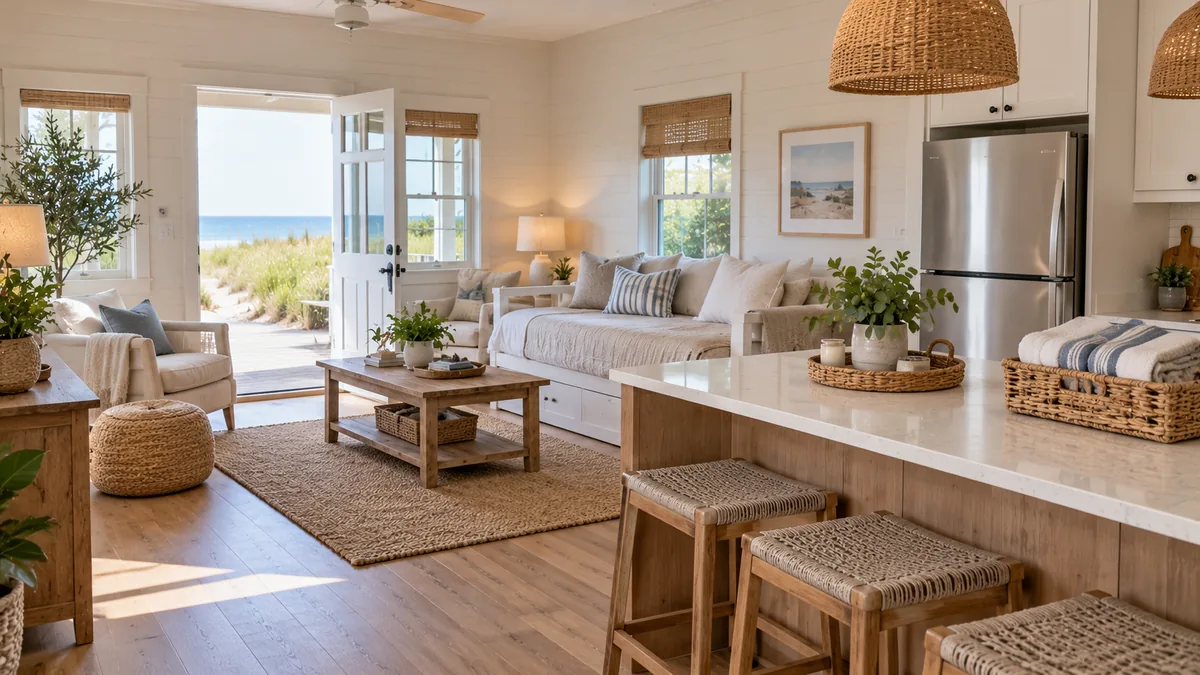
A turnkey short-term rental comes furnished, set up, and often with bookings already on the calendar. For a buyer, that can mean income from the first week instead of months spent furnishing, photographing, and building a listing. It also means you're buying a business along with the real estate, and that raises questions a standard home purchase doesn't.
This guide covers what "turnkey" really includes, how to verify the seller's numbers, how lenders treat the property, and what happens to bookings and reviews at closing.
There's no standard definition, so get the details in writing. A turnkey sale may include some or all of these:
What's included affects both the price and the financing, so list it item by item in the purchase agreement or a separate bill of sale.
A seller's spreadsheet is a starting point, not proof. Ask for documentation that's hard to edit:
Then compare the results to a revenue projection for the address. If actual performance is far above the market, find out why. It could be strong management, a pricing strategy, or a one-time event that won't repeat. Our guide to STR market research covers how to check demand.
A common surprise for turnkey buyers is that the listing itself usually stays with the seller.
Plan for a ramp-up period while a new listing builds reviews. Our guide to STR review management covers how to earn strong reviews early.
Bookings on the calendar are valuable, but they need a plan. Common approaches include:
Spell out the approach in the contract, including who handles guest communication and what happens if a guest cancels.
Financing a turnkey Airbnb works much like any STR purchase, with a few points to know:
For the overall qualification picture, see using a DSCR loan for an Airbnb.
A turnkey Airbnb can shorten the path to income, but you're buying an operation, not just a house. Verify revenue with platform reports and bank statements, confirm what's included and what transfers, plan for a new listing and possibly new permits, and allocate the price between real estate and furnishings. With those pieces in place, a turnkey purchase can be one of the fastest ways to start earning from a short-term rental.
Get Funded
DSCR financing that qualifies on projected STR income — built for Airbnb and vacation-rental investors.
Check Your EligibilityFunding in as little as 7 days · No impact to your credit score
Generally no. Reviews and listing history are tied to the host's account rather than the property, so a new owner typically starts a new listing and builds reviews from scratch.
Usually not. Mortgages finance real estate, and furniture is personal property. Appraisals value the real estate, so furnishings are generally paid for separately and should be listed in a bill of sale.
Ask for at least 12 months of earnings reports downloaded directly from the booking platforms or property manager, bank statements showing matching deposits, a full expense breakdown, and the booking calendar.
It depends on the purchase agreement. Common approaches include prorating payments for stays after closing, having the seller handle stays before closing, or keeping a property manager in place through the transition.