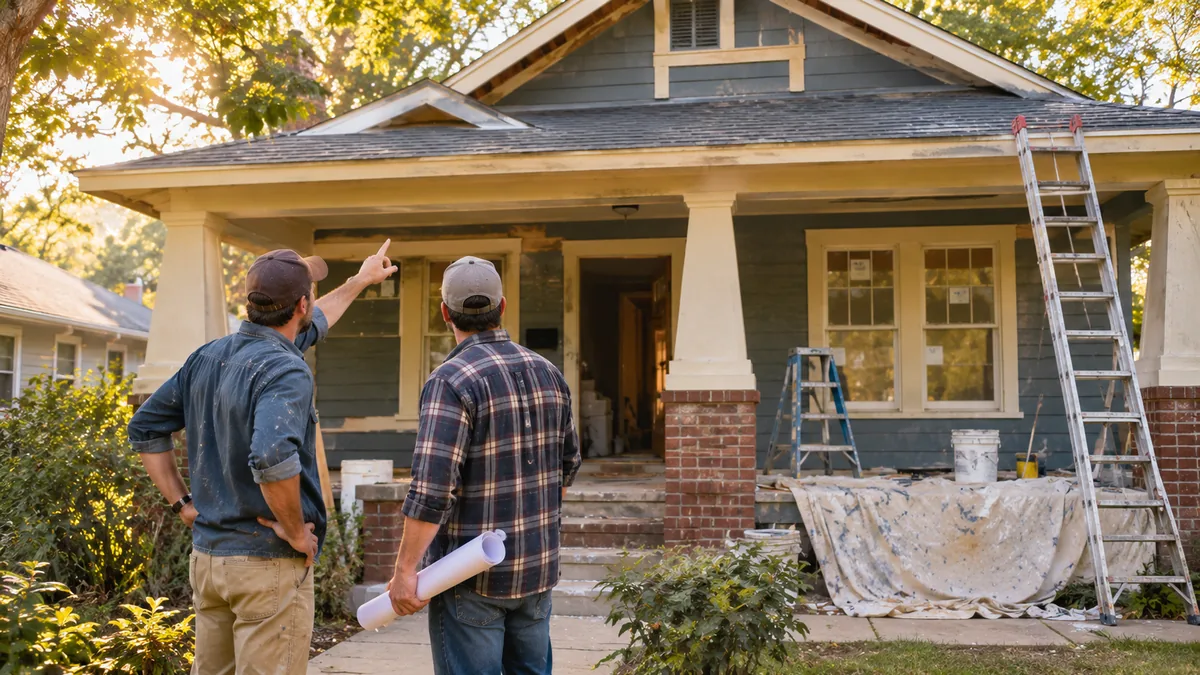
Flipping takes three things: cash, experience, and time. Few investors have all three in the same amount. A partnership lets one person bring capital and another bring construction knowledge or deal flow, so together they can take on a project neither could do well alone.
Partnerships can also help with financing. Lenders look at the people behind the loan, and the right partner can strengthen the application. But partnerships also add a new kind of risk, so the structure and the agreement matter as much as the deal.
| Structure | How it works | Best for |
|---|---|---|
| Money partner + operator | One partner supplies most of the cash; the other finds the deal and runs the rehab | Experienced operators short on capital; investors with cash but no time |
| Equal partners | Both contribute cash and work, and split results evenly | Two investors with similar resources pooling for a bigger deal |
| Deal-by-deal joint venture | A new LLC or agreement for each project | Testing a partnership before committing long-term |
| Ongoing company | One entity for every flip, with a standing operating agreement | Partners who plan to do multiple projects together |
Profit splits vary widely. Some partnerships return each partner's capital first and then split the rest. Others pay the money partner a preferred return before any split. What matters is that the terms are written down and both partners understand them before money moves.
Most flip loans to partners are made to an LLC or other entity that the partners own. The lender then looks through the entity to the people behind it.
Lenders commonly require personal guarantees from members who own more than a set percentage of the entity, and sometimes from anyone who controls it. The threshold and the type of guarantee vary by lender. The guarantors' credit, liquidity, and track record carry the most weight in underwriting.
Many lenders count the experience of the guarantors or key members. A newer investor partnering with someone who has completed several flips may qualify for terms they couldn't get alone. Expect the lender to verify that experience with closing statements or other records. See fix and flip loans for first-time flippers.
Lenders want to see enough cash for the down payment, closing costs, and reserves. Funds held by partners can often count if they're documented and committed to the deal. See how much cash you need for a fix and flip.
Each guarantor's credit and background is usually reviewed. A problem for one partner can affect the whole application, so share credit and background details with each other before you apply.
Set up the entity before you're under contract. Forming an LLC, getting an EIN, and opening a bank account takes time you won't have during a short escrow. Our guide to borrowing through an LLC covers the same documents.
Most partnership problems come from questions nobody answered at the start. Your operating agreement should cover:
Have an attorney draft or review the agreement. If you're raising money from passive investors rather than an active partner, securities laws may apply, which is another reason to get legal advice.
A flip partnership can combine one investor's capital with another's experience, and lenders often look at both when they underwrite the loan. Borrow through a properly set-up entity, expect the main members to guarantee the loan, and put contributions, splits, decisions, and exit terms in writing before you buy.
Get Funded
Fast hard-money and bridge financing built for flips — competitive terms so you can close and start the rehab.
Check Your EligibilityFunding in as little as 7 days · No impact to your credit score
Yes. Partners commonly borrow through a jointly owned LLC. Lenders then review the members, especially those who will personally guarantee the loan.
Often, yes. Many lenders consider the experience of the guarantors and key members of the borrowing entity, so an experienced partner can help a newer investor qualify. Policies vary by lender.
Not always. Lenders commonly require a personal guarantee from members above a certain ownership percentage, and the threshold varies by lender.
At minimum: who contributes what, how profits and losses are split, who makes decisions, how cost overruns and capital calls are handled, and what happens if a partner wants out or can't continue.